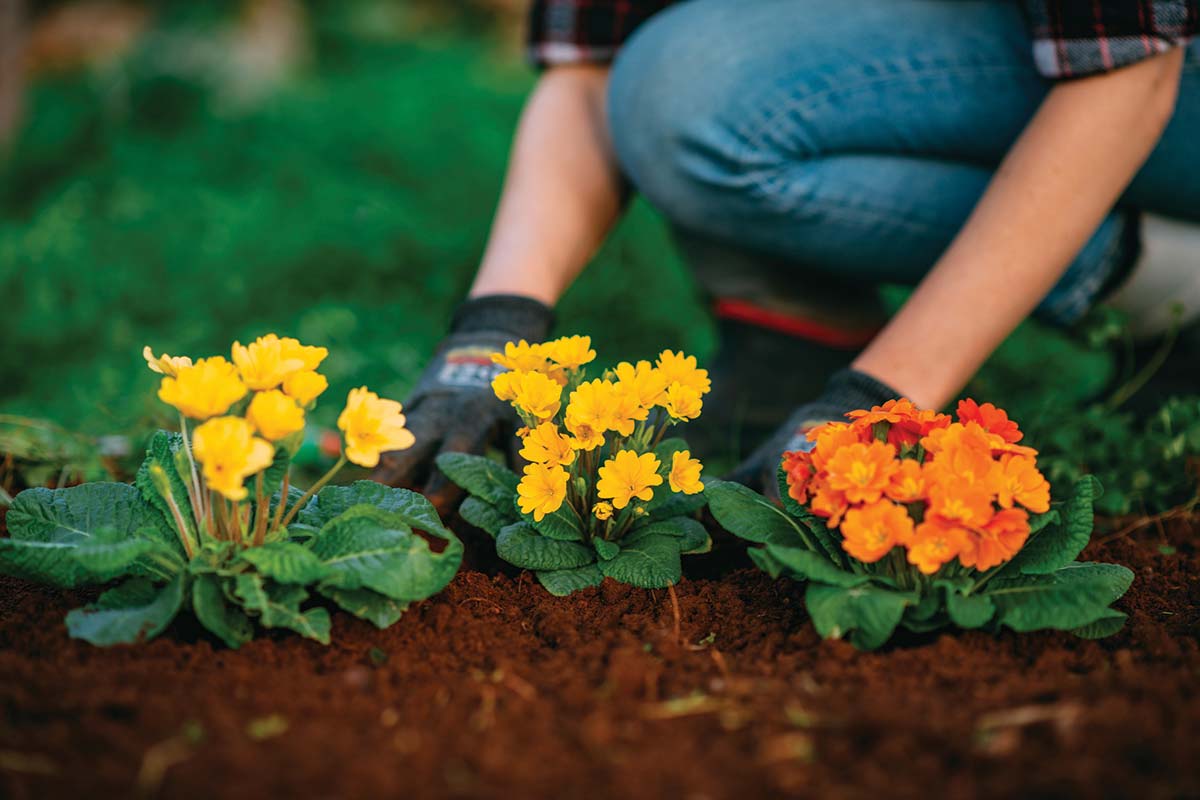
National Gardening Day on April 14 is a great time to think about ways to grow plants and food while being efficient and saving money.
Whether you plant for beauty or for fresh food, here are some types of gardening to consider, according to energy.gov.
Natural landscaping uses plant species that are native to the area. Having adapted to the local soil type and climate conditions, these plants are more resistant to pests and diseases. Natural plants typically need less water and fewer fertilizers or chemicals, which can save you money. Natural landscaping also promotes biodiversity by supporting local wildlife and pollinators.
Recreational vegetable gardening can be fun and rewarding as well as offset some of your grocery bill. You don’t have to be a farmer to enjoy gardening for food. Even better, you can opt to grow organically, reducing the amount of chemicals added to the environment and your body.
If outdoor space is limited, remember plants may be grown in window boxes and indoor pots. Kitchen-based herb gardens are attractive, handy and easy to grow. Indoor plants are equally visually appealing and help to purify the air.
Xeriscape landscaping uses drought-tolerant plants that reduce or eliminate the need for regular irrigation. By avoiding water loss from evaporation and runoff, xeriscape landscapes use water more efficiently and are often easier to maintain. While especially helpful in dry areas, these techniques can benefit homeowners looking to cut back on water use.
Here are some tips to help you get started on your own water-saving projects.
- Start with a solid plan and design for a water-wise landscape.
- Test soil and make improvements for better moisture absorption.
- Keep lawn areas practical. Turf areas require more water than many other plants.
- Choose plants that fit your environment. Native plants generally use less water, but a mix can work well.
- Use efficient irrigation systems, which can cut water use by 30%–50%.
- Add mulch to flower and shrub beds to reduce water loss.
Regular maintenance preserves the landscape’s beauty and conserves water. Prune, weed, fertilize, irrigate and control pests properly for the best effect.
Visit aggie-horticulture.tamu.edu/vegetable/guides for more information.