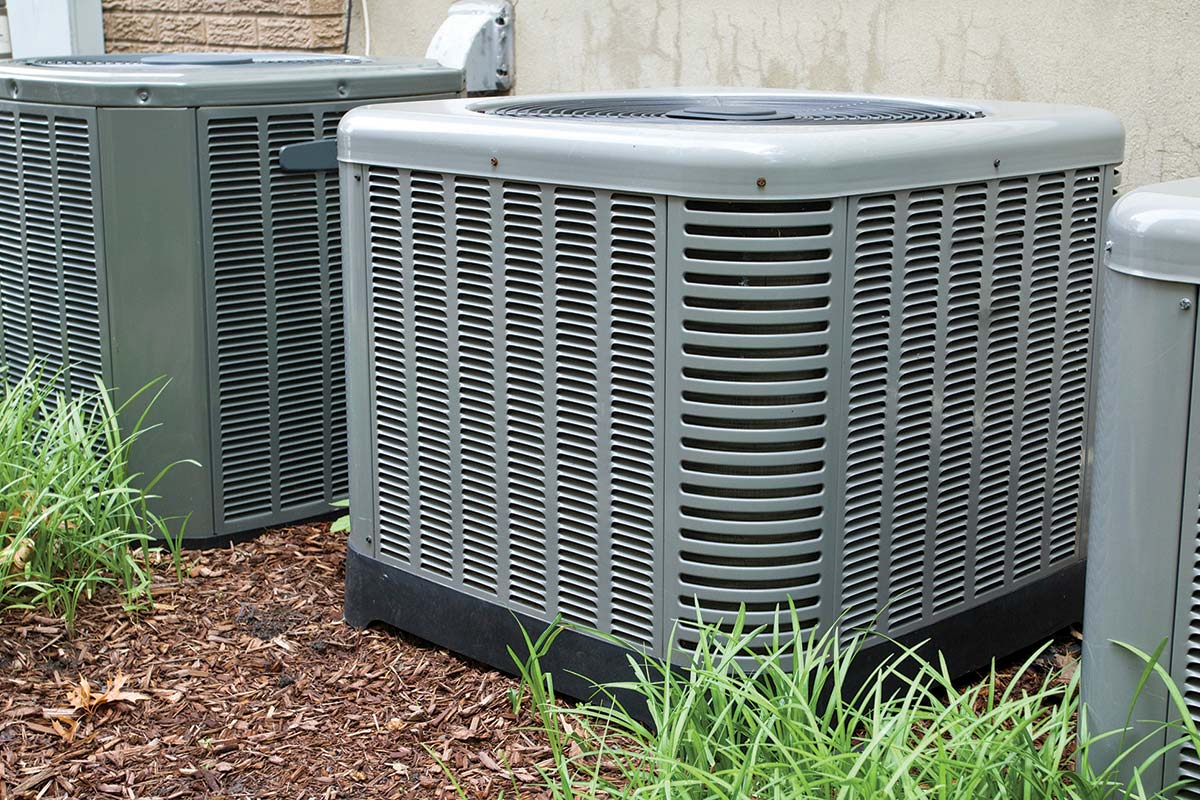
An improperly sized heater or air conditioner can wreak havoc on your home, causing your system to “short cycle”— continuously turn on and off—or run constantly. However, a properly sized one can maintain comfort, increase energy efficiency and provide years of service.
Here are some factors to consider when choosing an HVAC system that works best for your home.
Size matters. The square footage of your home can help determine the load capacity of your HVAC unit, but it shouldn’t be the only factor considered when reviewing unit sizes. Enlist the help of a licensed professional to choose the best unit for your home. 170685001
Geographical location. The region in which your home is located will factor into how much capacity you need per square foot. A system running in a hot, humid climate will need more British thermal units than a system running in a dry, cool climate.
Home orientation. How sunlight hits your home during different times of the day impacts the load capacity required to properly heat or cool your home.
Insulation effectiveness. The better insulated your home is, the less heating or cooling power it will need to stay at the desired temperature.
Other factors that affect HVAC size requirements include ceiling height, ductwork, heat-generating appliances, home façade and occupancy. A good baseline for determining the size of the air conditioner needed is square footage of the home multiplied by 20. The result is the number of British thermal units you’ll need.
Trinity Valley Electric Cooperative—your trusted energy partner—is happy to help you determine how each of these factors affect your system’s load capacity.