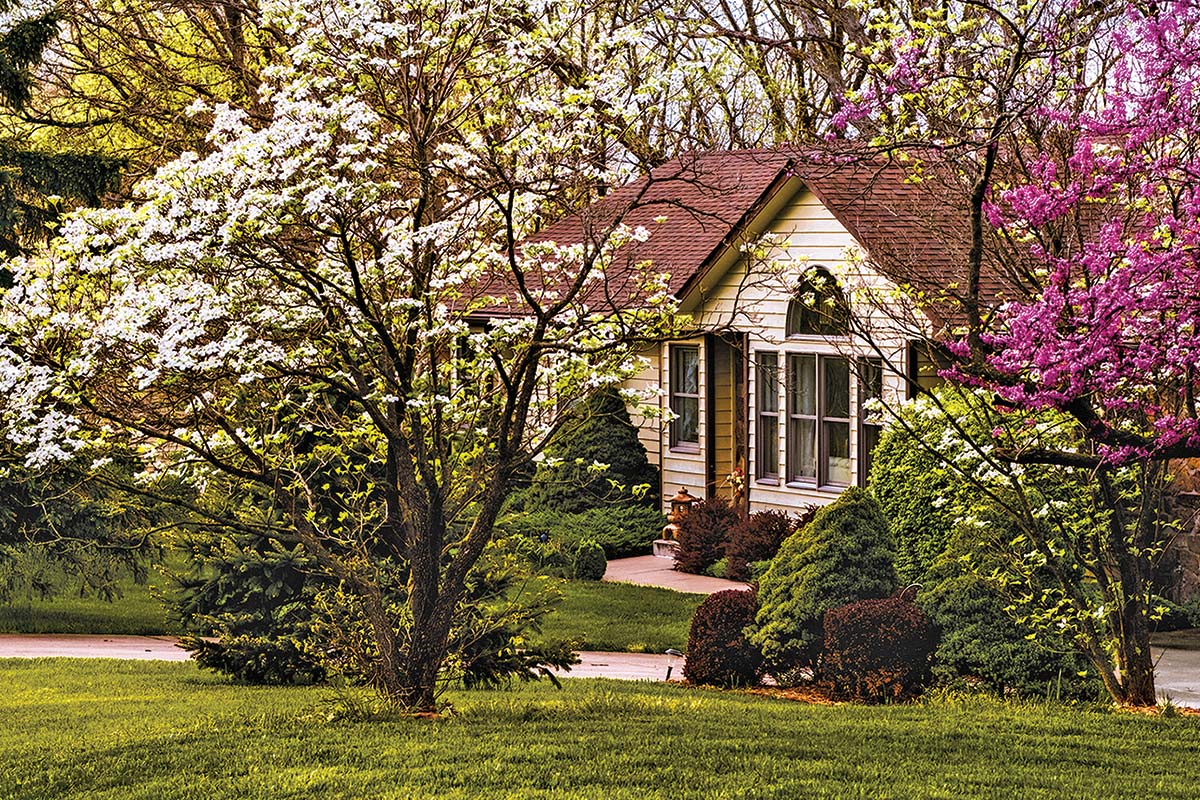
Most of the U.S. observes Arbor Day on the last Friday of April, and one of the most common ways to celebrate is planting a tree. Although the best time to plant a tree in most of Texas is early November—when the state observes its own version of Arbor Day—it’s not too early to start thinking about the benefits of trees and planning how to plant one to maximize its life and effects.
The Arbor Day Foundation explains the benefits of trees, some of which are rather unexpected.
Trees help clean the air. Forests around the world remove about one-third of fossil fuel emissions while improving air quality by filtering pollution from the atmosphere.
Trees contribute to health. Workers with a view of trees report lower stress and greater job satisfaction.
Trees provide oxygen. The Amazon rainforest produces more than 20% of the world’s oxygen, and a single large tree can create enough oxygen for about four people.
Trees help clean drinking water. Forested watersheds can offset the need for water filtration facilities, as the trees naturally filter water.
Trees benefit wildlife. Animals rely on trees for habitat. From forests supporting wildlife to trees defining territories, critters around the world depend on trees for their lives.
Trees increase property values. Mature trees on properties of homes for sale can significantly boost home sale prices and help homes sell faster.
Trees are a good investment of public dollars. Putting one dollar into tree planting in Indianapolis, for example, returned $5.55 in benefits. Those benefits can include cleaner air, lower energy costs, better water quality, stormwater control and increased property values.
Trees provide cooling. Shady surfaces can be 20–45 degrees cooler than sunny ones, and water vapor released through leaves enhances cooling through evaporation.
Trees help reduce the effects of climate change. By absorbing carbon dioxide and storing carbon, trees combat climate change. An acre of mature trees can absorb as much CO2 as a car puts out over 26,000 miles.
Trees help save energy. When trees are properly placed around buildings, they can cut air conditioning costs by 30%. The Department of Energy estimates that strategically planted trees can lower a household’s overall energy use by up to 25% by providing shade, winter warmth and windbreaks.
If you’re ready to reap some of these benefits of trees by planting your own, be sure to:
- Identify the size of the tree, and choose a location with enough space to grow around structures and power lines.
- Find a tree that will thrive in your growing zone.
- Call 811 before you dig any holes.
Proper tree placement is especially critical near power lines. Trees growing into overhead lines create safety hazards, cause power outages, and require costly trimming or removal.
Your electric cooperative works year-round to maintain safe clearance around power lines, but preventing conflicts starts at planting time. Keep trees at least 25 feet away from overhead lines and choose low-growing varieties for areas beneath power lines.
By planning ahead, you can ensure your tree investment delivers decades of benefits without compromising electrical safety or reliability for your community.