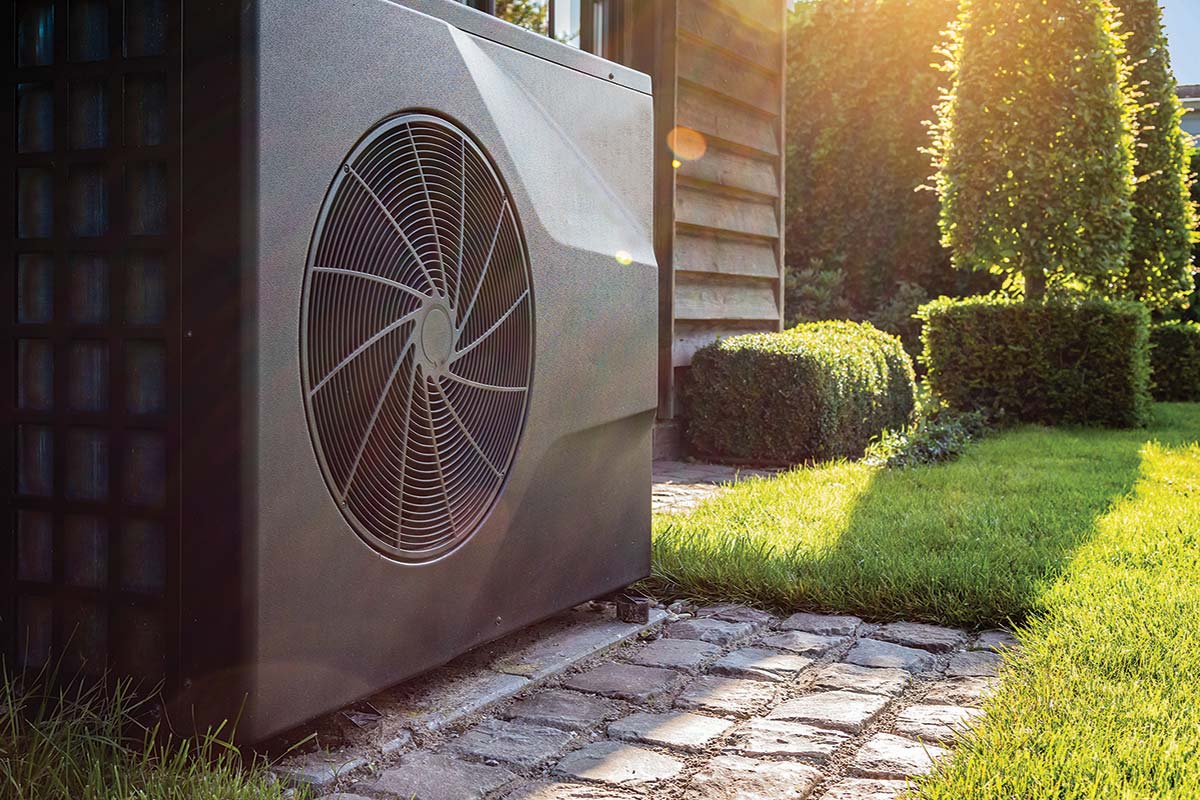
Heat pumps can be an energy-efficient heating and cooling option since they move heat from one place to another rather than generate it by burning fuel. There are three main types of heat pump systems to consider, each with benefits and drawbacks, depending on your needs and location.
Use the following information from the Department of Energy and Consumer Reports to begin determining which heat pump system is best suited for your home.
Air-Source
- These are the most commonly used heat pumps.
- They move heat rather than converting it from a fuel like combustion heating systems do.
- Air-source pumps can reduce heating costs by about 50% when compared to baseboard heaters or electric furnaces.
- They represent a legitimate space-heating alternative in colder regions with newer, more efficient systems.
Geothermal
- These are more expensive to install but provide more energy savings for heating and cooling.
- Geothermal systems move heat through pipes buried underground.
- When compared to a conventional heating system, they can reduce energy use by 25%–50%.
- They’re effective in extreme climates but aren’t ideal for smaller lots and certain soil conditions.
Ductless Mini-Split
- Mini-split systems are easier to install, quiet and small in size.
- They’re good for heating and cooling individual rooms or small spaces.
- There’s no energy loss through ductwork, which accounts for more than 30% of a typical home’s heating and cooling energy use.
- Installation can be pricey.