Storm season is in full swing. Many summer storms have the potential to produce tornadoes—which can happen anytime and anywhere with winds over 200 miles per hour.
As adults, we understand the importance of storm safety, but younger children and teens may not realize the dangers storms pose. That’s why it’s so important to talk to your family and have a storm plan in place. Here are several tips you can share with your loved ones.
Before the Storm
Talk to your family about what to do in the event of a severe storm or tornado. Point out the safest location to shelter, like a small, interior, windowless room on the lowest level of your home. Discuss the dangers of severe thunderstorms; lightning can strike 10 miles outside of a storm. Remember: When thunder roars, head indoors.
Make a storm kit. It doesn’t have to be elaborate—having a few items on hand is better than nothing at all. Include items like water, nonperishable foods, a manual can opener, a first-aid kit, flashlights and extra batteries, prescriptions, and baby and pet supplies. Keep all the items in one place for easy access if the power goes out.
During the Storm
Pay attention to local weather alerts—either on TV, your smartphone or weather radio—and understand the types of alerts.
A thunderstorm or tornado watch means these events are possible and you should be prepared; a warning means a thunderstorm or tornado has been spotted in your area and it’s time to act.
If you find yourself in the path of a tornado, head to your safe place to shelter, and protect yourself by covering your head with your arms or materials like blankets and pillows.
If you’re driving during a severe storm or tornado, do not try to outrun it. Pull over and cover your body with a coat or blanket if possible.
After the Storm
If the power is out, conserve your phone battery as much as possible, limiting calls and texts to let others know you are safe or for emergencies only.
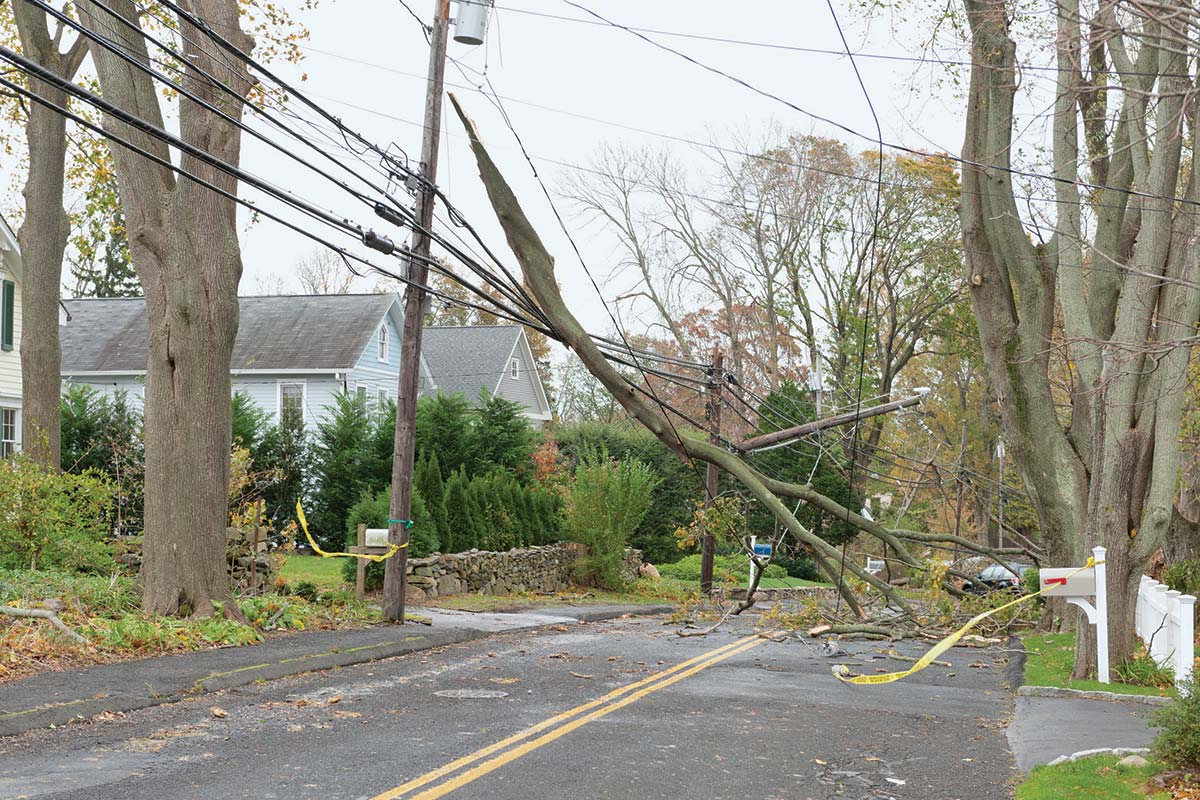
Stay off the roads if trees, power lines or utility poles are down. Lines and equipment could still be energized, posing life-threatening risks to anyone who gets too close.
Wear appropriate gear if you’re cleaning up storm debris on your property. Thick-soled shoes, long pants and work gloves will help protect you from sharp or dangerous debris left behind.
Summer is a time for many fun-filled activities, but the season can also bring severe, dangerous weather. Talk to your loved ones about storm safety so that everyone is prepared and knows exactly what to do when a storm strikes.