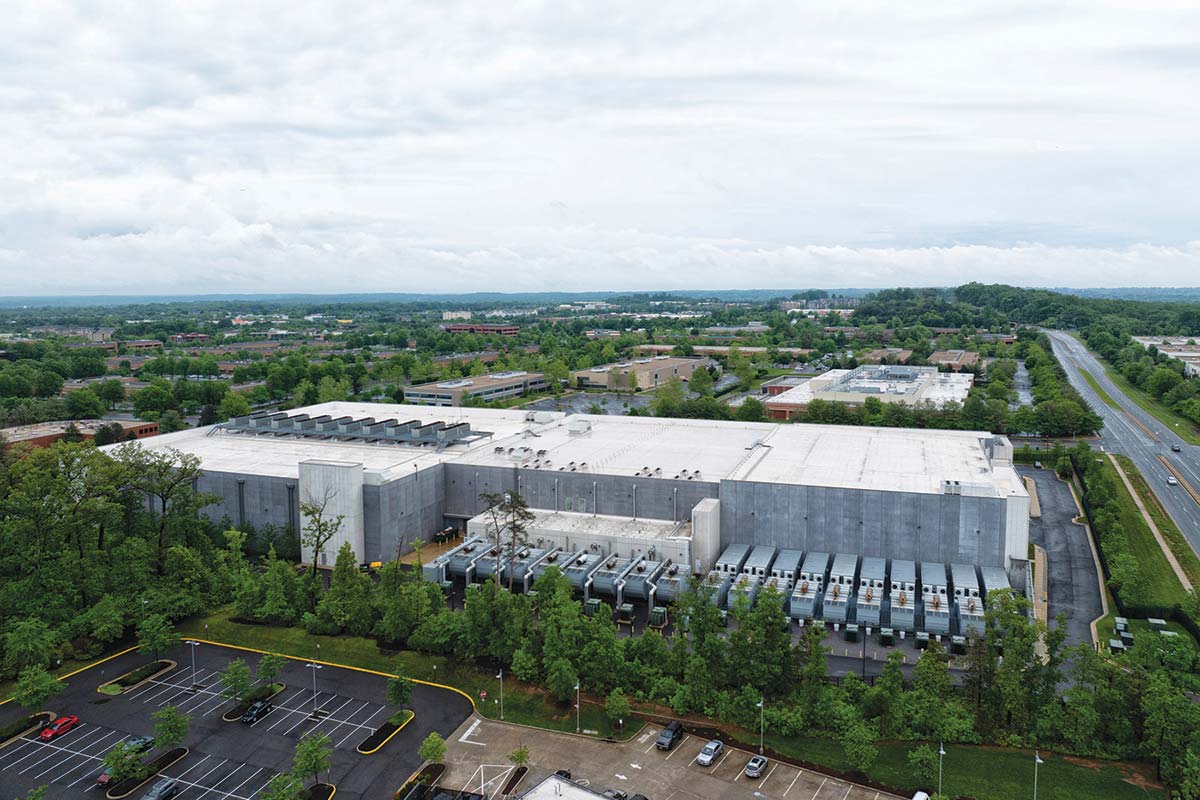
Rural Texas Offers What data centers need most: affordable land, room to grow and access to transmission lines that can move large amounts of power. With large projects already underway and many more in various stages of planning and development around the state, the impact of this wave of technological revolution is only beginning.
I don’t say that to cause fear or anxiety, but there are plenty of unknowns in how the data revolution will play out locally over the coming decades. What we do know is that things are changing fast, and the employees of your electric cooperative are working hard to be ready for growth while also advocating for policies and strategies that minimize how these large loads affect your power bills.
What makes data centers different from other large businesses is their appetite for electricity. A typical large business might consume enough electricity to power a small neighborhood while a data center may use enough electricity to power tens of thousands of homes. Additionally, power consumption for a typical large business may spike when the weather is hot or cold or while the business is open. Data centers typically run 24 hours a day, seven days a week, consistently consuming large amounts of power. Data centers are the power behind your smartphone’s data backup, online searches and commerce, thousands of business processes, and an ever-growing number of connected devices.
On the plus side, data centers have the potential to bring steady, long-term revenue that helps support investments in the local grid. With proper planning and policy support, those upgrades—including new substations, stronger lines and smarter technology—can benefit all Trinity Valley Electric Cooperative members and help keep electricity rates steady.
But providing power to data centers presents challenges too. These large facilities can be constructed and operating in as little as one year, but ensuring the necessary infrastructure, equipment and electricity requires longer lead times and significant financial investment.
Another maybe less obvious affect of these large projects has been a much higher demand for products and materials we use every day to provide electric service. From the finished products we use like transformers and electric distribution components, to computer chips and copper wire, the increased market demand is raising prices and reducing availability.
As a member-owned cooperative, our responsibility is to provide reliable, affordable electric service to every TVEC member. That will inevitably include new types of large-scale energy users, but no matter what the future holds, our priority will be supporting growth with fairness.
That means doing our best to serve all members large and small, and ensuring that new large loads pay their fair share for new infrastructure so residential bills don’t spike. Smart growth can benefit all TVEC members and the communities that we are a part of.