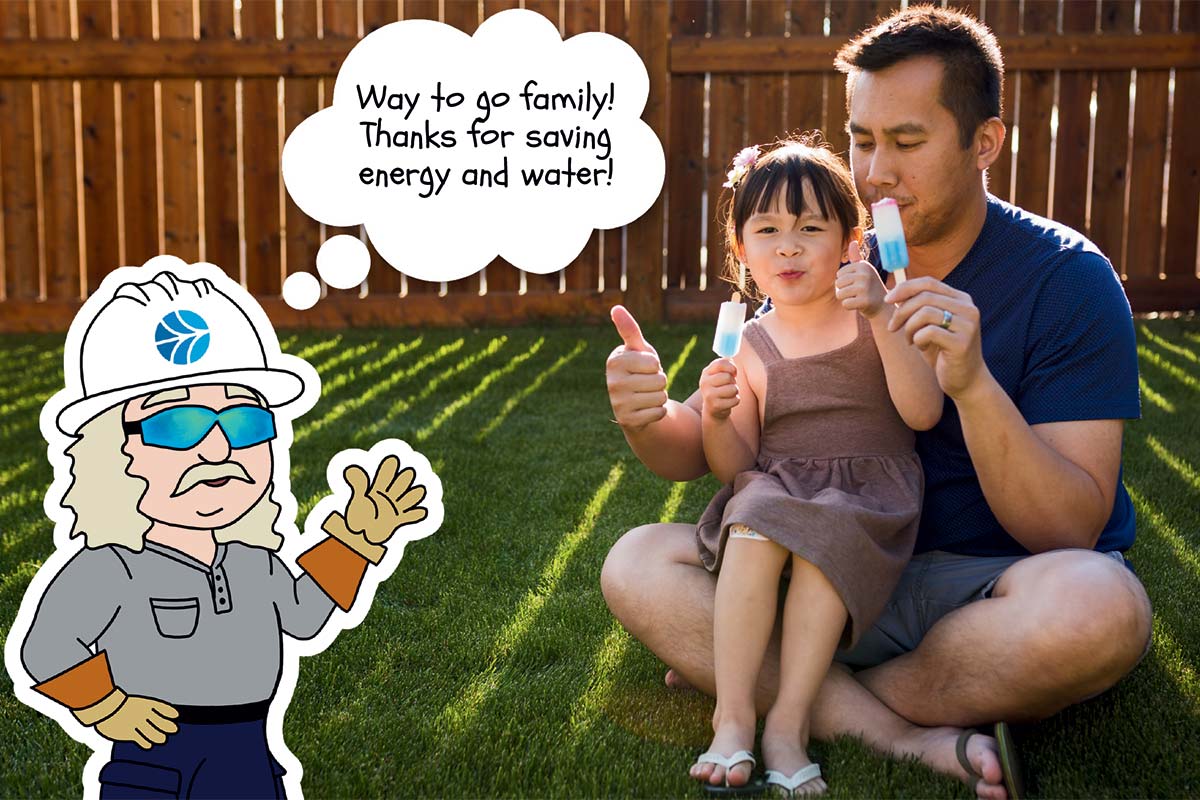
As temperatures climb during August, families often rely on air conditioning, electronics and household appliances more than any other time of year. Small changes in daily routines can make a meaningful difference.
Turn off electronic devices when they’re no longer in use. TVs, gaming systems, computers and chargers continue to use electricity even when sitting idle. Make it a habit to power down or unplug devices when finished to reduce unnecessary energy consumption.
Use sunlight strategically. Open blinds in shaded or east-facing rooms during the morning to reduce the need for artificial light, but keep curtains closed on windows receiving direct afternoon sun to help keep your home cooler. Balancing daylight with heat control can reduce lighting and AC costs.
Keep your refrigerator and freezer doors closed. On a hot summer day, it can be tempting to stand in front of the refrigerator, letting the cool air hit your face while deciding what to eat or drink. Every time your fridge and freezer doors swing open, cold air escapes and appliances work harder to maintain temperature. Decide what you need first, then grab everything at once.
Turn off the water when brushing your teeth. Water conservation is equally important during the hot summer months. A bathroom faucet can use more than a gallon of water every minute. If the water runs during a two-minute brushing session, several gallons of water go straight down the drain.
Take shorter showers. Long, hot showers don’t just use more water, they also require more energy to heat that water. Reducing shower time by just two or three minutes decreases the demand on water heaters, helping them work more efficiently while also extending lifespan.
Choose outdoor activities. When the family heads outdoors, electronics are less likely to be in use. Less activity indoors also means fewer lights are turned on. If you plan on being outside for several hours, consider raising your thermostat a few degrees before you leave so your air conditioner isn’t working overtime in an empty house.
Small actions taken each day may seem insignificant, but together they can have a lasting impact. By conserving energy and water through simple habits, parents can lower monthly bills while teaching children skills they will carry into adulthood. August is the perfect time to start building routines that benefit your household for years to come.
You can make conservation a family activity by encouraging your children to participate in these everyday habits.