Although summertime can seem endless in Texas, cooler weather is headed our way. Is your home prepared to operate as energy efficiently as possible in the cold?
October 30 marks National Weatherization Day, and it’s a perfect time for a reminder about the many benefits of weatherizing your house.
Keep these tips from the U.S. Department of Energy in mind for weatherizing, enhancing comfort and saving energy at home.
A home energy audit is one of the best ways to gain a full understanding of the current status of your home, including how much energy it uses, where inefficiencies are and what areas to prioritize.
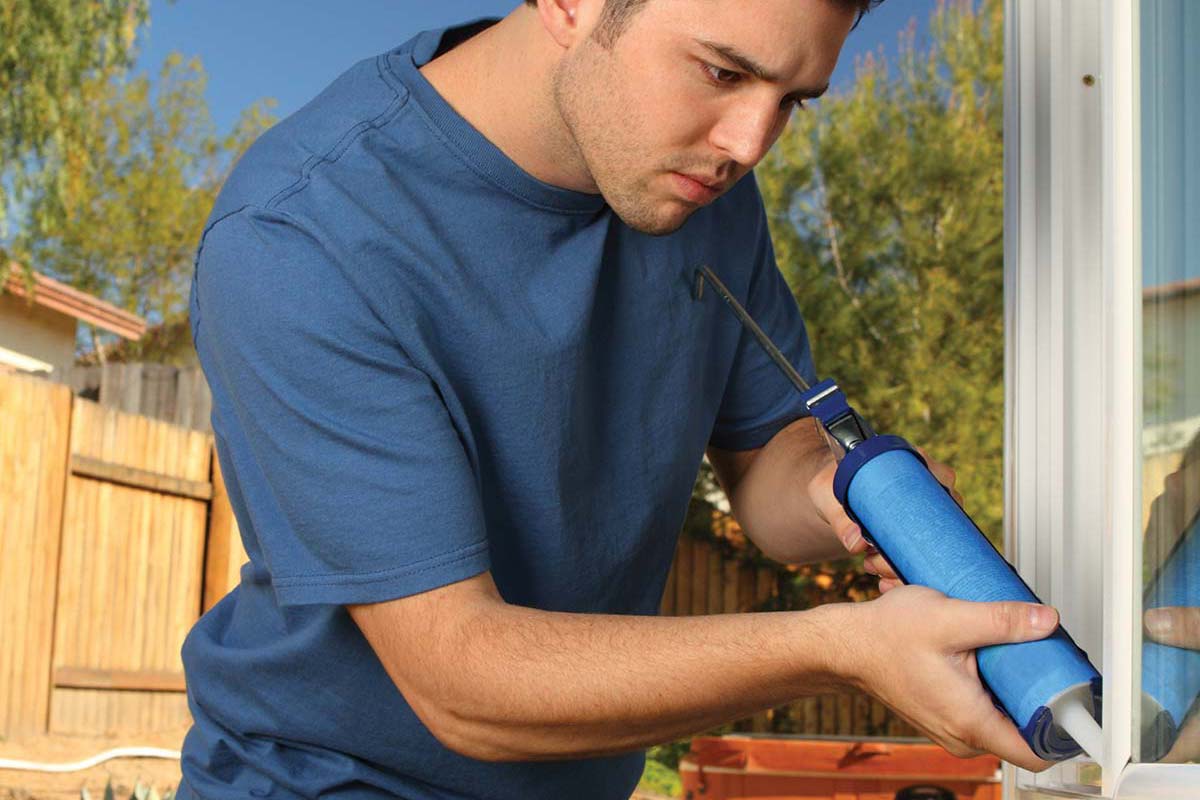
Sealing your home is a cost-effective strategy to reduce heating and air conditioning costs. As outside temperatures cool, gaps around doors and windows allow your home’s heated air to escape. Caulking and weatherstripping are two ways to reduce the amount of air that leaks in or out of your home.
Identify the right ventilation plan for your residence. Ventilation is a critical part of making sure your home is as energy-efficient as possible. Good ventilation controls moisture and reduces air leakage. Three ventilation options to consider, according to the DOE, are:
- Natural ventilation, where air naturally leaks in and out of small cracks and holes in the home.
- Spot ventilation, which provides ventilation by removing indoor air pollution and moisture through exhaust fans.
- Whole-house ventilation, which provides uniform ventilation throughout the home using fans and a duct system to supply fresh air.
Check your eligibility for the DOE’s Weatherization Assistance Program, which has provided weatherization services to lower-income households since 1976. Households can save nearly $400 a year through weatherization improvements and upgrades. Visit the WAP page on energy.gov for more information.