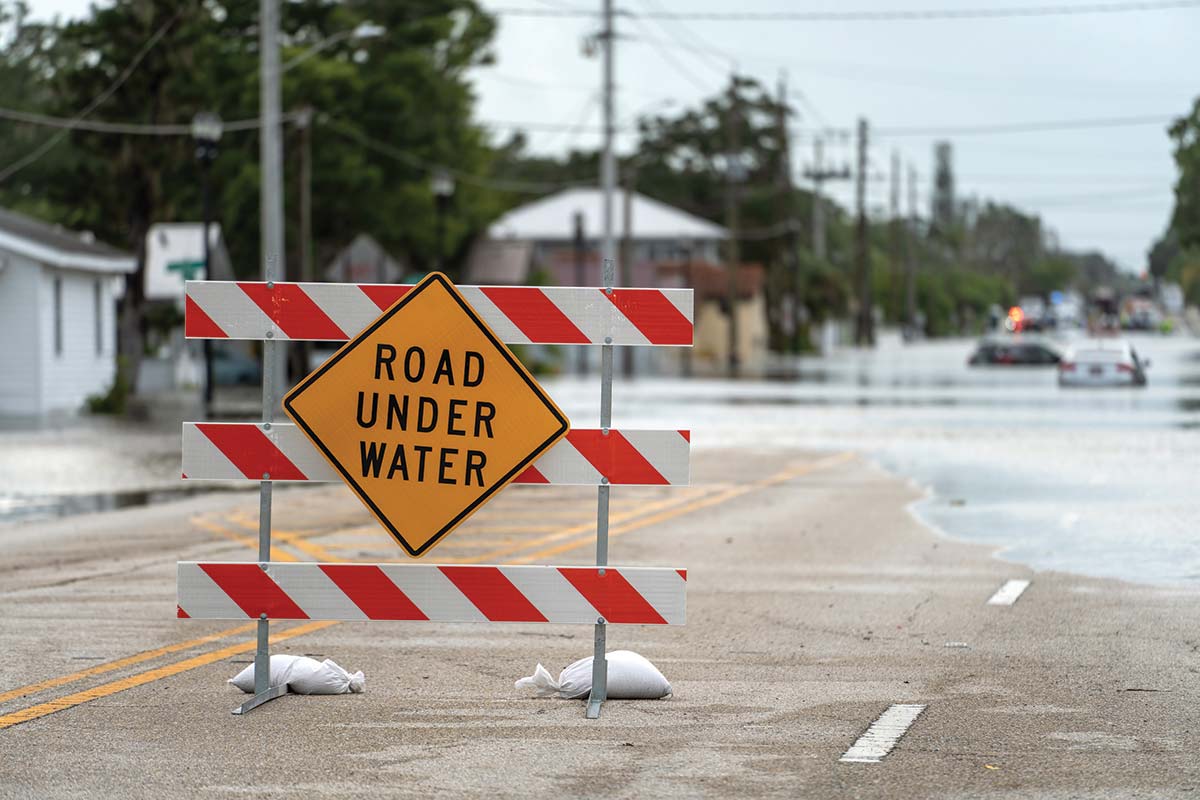
Texas is no stranger to catastrophic and deadly flooding. Whenever there’s heavy rain or nearby hurricanes, the threat of flooding persists. To keep yourself and loved ones as safe as possible, know the precautions to take at all stages of flooding.
Before a Flood
First, consider flood insurance. Homeowners insurance doesn’t cover flooding. Flood-hazard maps found at msc.fema.gov show flood risks for each community, which can help determine the type of flood insurance you need.
If you live in an area of high flood risk:
- Avoid building in a floodplain unless you elevate and reinforce your home, construct floodwater barriers and seal basement walls with waterproofing compound.
- Install check valves to prevent floodwater from backing up into drains.
- Elevate the furnace, water heater and electric panel.
- No matter where you live, create an emergency kit and a family communications plan.
During a Flood
Flash flooding can occur suddenly, with or without typical warnings such as rain clouds or heavy rain. If there’s any possibility of a flash flood, move immediately to higher ground.
Before and while evacuating:
- Secure your home, and move essential items to an upper floor or attic.
- Turn off utilities at the main switches or valves, but do not touch electrical equipment if you’re already wet or standing in water.
- If you have to walk in water, go where the water is still (just 6 inches of moving water can sweep you off your feet).
- Do not drive into flooded areas.
- If your vehicle is trapped in rapidly moving water, stay inside.
- If water is rising inside the vehicle, seek refuge on the roof.
- If floodwaters rise around your car, you and the vehicle can be swept away quickly; abandon it and move to higher ground.
After a Flood
Return home only when authorities indicate it’s safe, and if you come upon barricades or a flooded road, go another way. Use local alerts and warning systems to get information.
Flooding can make familiar places unrecognizable and dangerous. Roads can weaken and collapse under the weight of a car. Walkways can shift, and debris can hide animals and broken glass or make footing slippery.
Use caution when entering buildings; there may be hidden damage, particularly in the foundations. And don’t enter any building surrounded by floodwaters, which may be electrically charged by underground or downed power lines.
Back at home, turn off electricity at the main breaker, even if your community’s power is off. When your home is dry enough, you can turn it back on. And contact your insurance agent to discuss claims.
Staying Healthy
A flood can cause physical hazards and emotional stress. As you focus on cleanup and repair:
- Rest often and eat as well as possible.
- Stay informed on whether your community’s water supply is safe to drink.
- Keep a manageable schedule by making a list and doing one job at a time.
- Avoid floodwaters contaminated by oil, gasoline or raw sewage.
- Service damaged septic tanks and cesspools as soon as possible; damaged sewer systems are serious health hazards.
- Clean and disinfect everything; mud left by floodwaters can contain sewage and chemicals.