Gone are the days when wildfires were primarily confined to the Western U.S. Rising temperatures, prolonged drought and shifting weather patterns are creating dangerous conditions in places that historically experienced few major fires. Today, more than 30 states, including Texas, face elevated wildfire risk, and that demands action from all of us.
At Trinity Valley Electric Cooperative, protecting our members and the communities we serve is our highest priority. I want you to know that wildfire mitigation is not seasonal work for us. It’s a year-round commitment embedded in how we operate and invest in our local system.
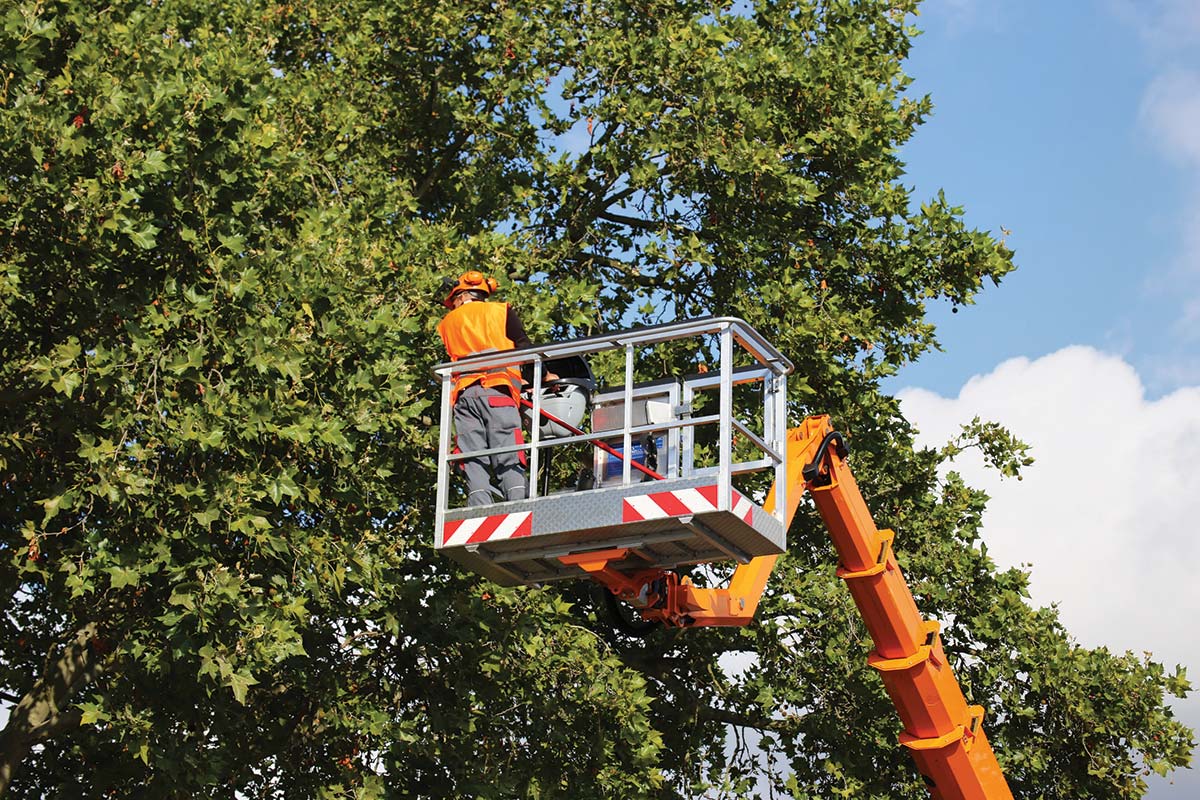
One of the most important ways we work to reduce wildfire threats is through our comprehensive vegetation management program. Overgrown trees and power lines are a dangerous combination, particularly during dry and windy conditions.
Throughout the year, TVEC crews—along with our trusted local contractors—proactively trim and remove vegetation that could come into contact with power lines and other critical infrastructure. This work requires careful planning, coordination with property owners and ongoing inspection.
While it may not always be visible, it’s one of the most effective tools we have to prevent fire ignition and maintain reliable electricity.
In addition to boots on the ground, TVEC leverages advanced technology to strengthen our system.
Advanced imaging tools and system analytics allow us to detect abnormal conditions. By investing in modern technologies, we’re shifting from reactive repairs to proactive prevention—identifying risks early and addressing them before they become emergencies.
Wildfire mitigation also requires thoughtful public policy. Managing electric infrastructure in and around public lands can present unique challenges. That’s why we support practical, commonsense solutions such as the Fix Our Forests Act, which would streamline the ability of electric cooperatives and other utilities to maintain power lines on federal lands and reduce buildup of potentially hazardous fuel for a fire. Policies that promote responsible land management are an essential part of a comprehensive wildfire prevention strategy.
While we’re committed to doing our part, wildfire prevention is a shared responsibility. There are important steps each of us can take to protect our homes and neighborhoods. Properly extinguish fires by dousing them with water, stirring the ashes and ensuring they are cool to the touch before leaving the area. Avoid outdoor burning on windy or excessively dry days.
Maintain a defensible space around your home by clearing dry leaves, dead branches and other flammable debris. Use lawn equipment carefully, particularly during hot conditions, and always check local regulations for burn bans or restrictions.
Wildfires are becoming more complex and more widespread, but through proactive system management, smart investments, sound policy and community partnership, we can reduce risks and strengthen resilience.
At TVEC, we take this responsibility seriously. Our members depend on us not only for reliable power but for leadership in safeguarding the communities we call home.