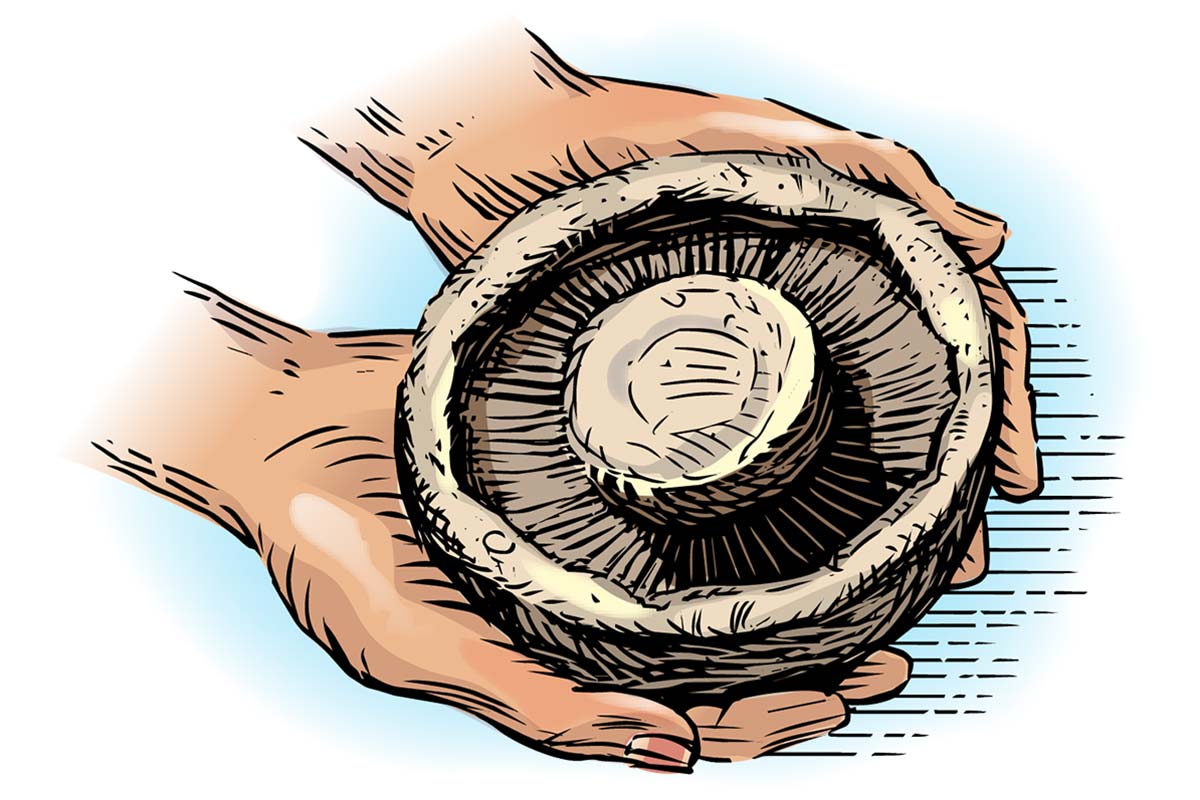
I sampled mushroom-flavored soda, chatted with the author of a book about toadstools, admired a roomful of fungus photographs and learned a little about mushroom farming. But the real magic of the Texas Mushroom Festival occurred when I watched a crowd form outside a tent serving portobello mushroom tacos.
Was I really still in Texas?
A quick glance at the boots- and hat-wearing folks surrounding me as I strolled the courthouse square in Madisonville assured me I hadn’t wandered off course. This city of 4,400, located 40 miles northeast of Bryan, is home to one of several farms operated by California-based Monterey Mushrooms, and in 2005, the Texas Legislature named it the official Mushroom Capital of the Lone Star State.
Madisonville clearly loves fungus, and its annual celebration draws mobs of mycophiles.
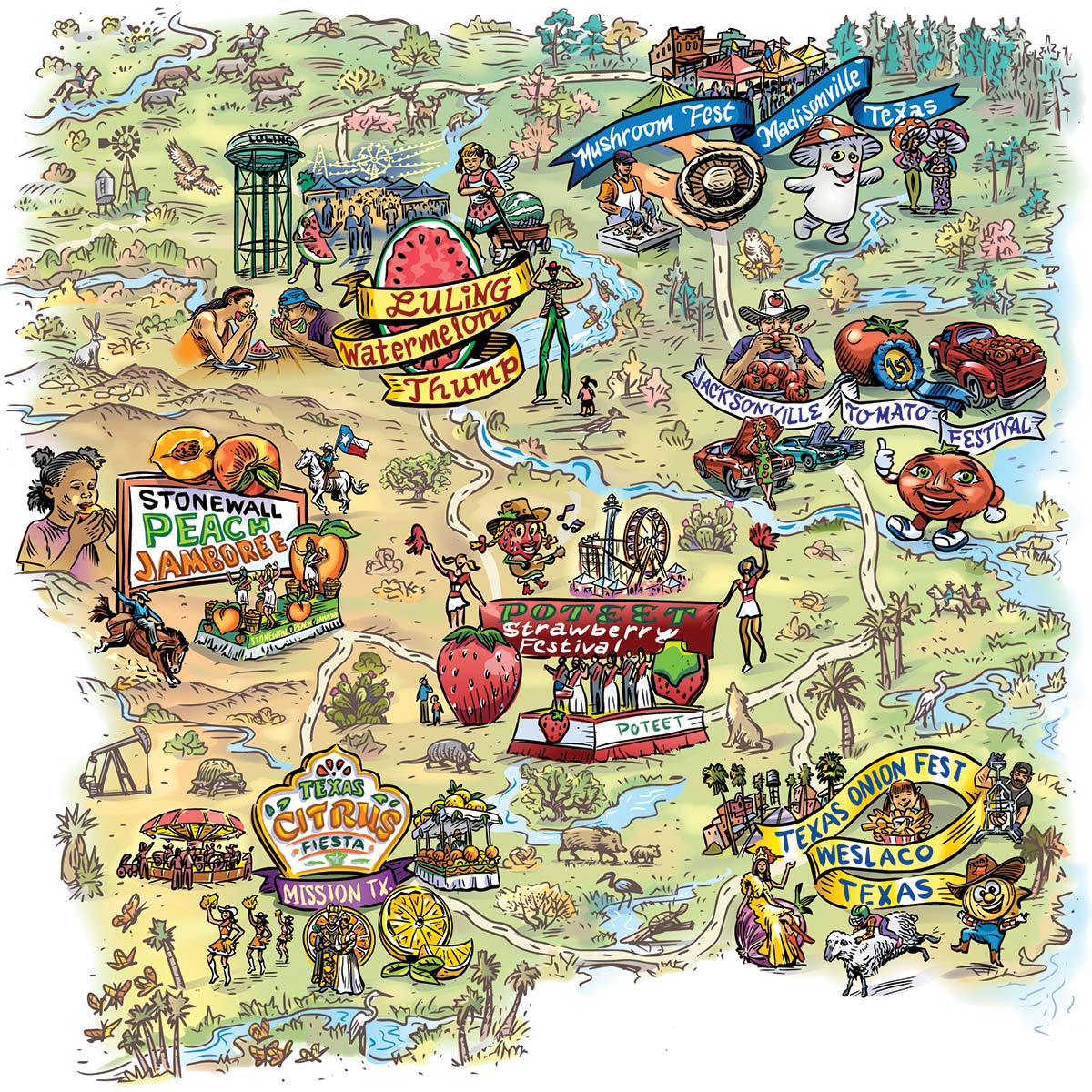
The Texas Mushroom Festival is one of dozens of street festivals around the state that celebrate local produce and growers. You can toast tomatoes in Jacksonville, salute strawberries in Poteet and Pasadena, honor onions in Weslaco, praise peaches in Stonewall and Weatherford, recognize rice in Winnie—and a whole lot more.
Many of the events have deep roots in Texas, which is known as a leading producer of specialty crops such as pecans, sweet potatoes, blueberries, watermelons and citrus. Each has its own quirky traditions.
Jim Starr
The Texas Citrus Fiesta in Mission, which started in 1932 as a nod to the Rio Grande Valley’s winter harvest of grapefruit and oranges, has long included a style show featuring elaborate gowns made from citrus leaves, stems, fruit and peels that have been pulverized, dehydrated, blended and microwaved.
Visitors race to see how many tomatoes they can peel—using only their teeth—at the Jacksonville Tomato Fest. Growers compete to see who can bring the best price for their harvest during the auction at the Poteet Strawberry Festival. The Texas Onion Fest in Weslaco draws more than 25,000 attendees, all who come to celebrate the sweet Texas 1015 onion, the state vegetable of Texas, named for its suggested planting date of October 15.
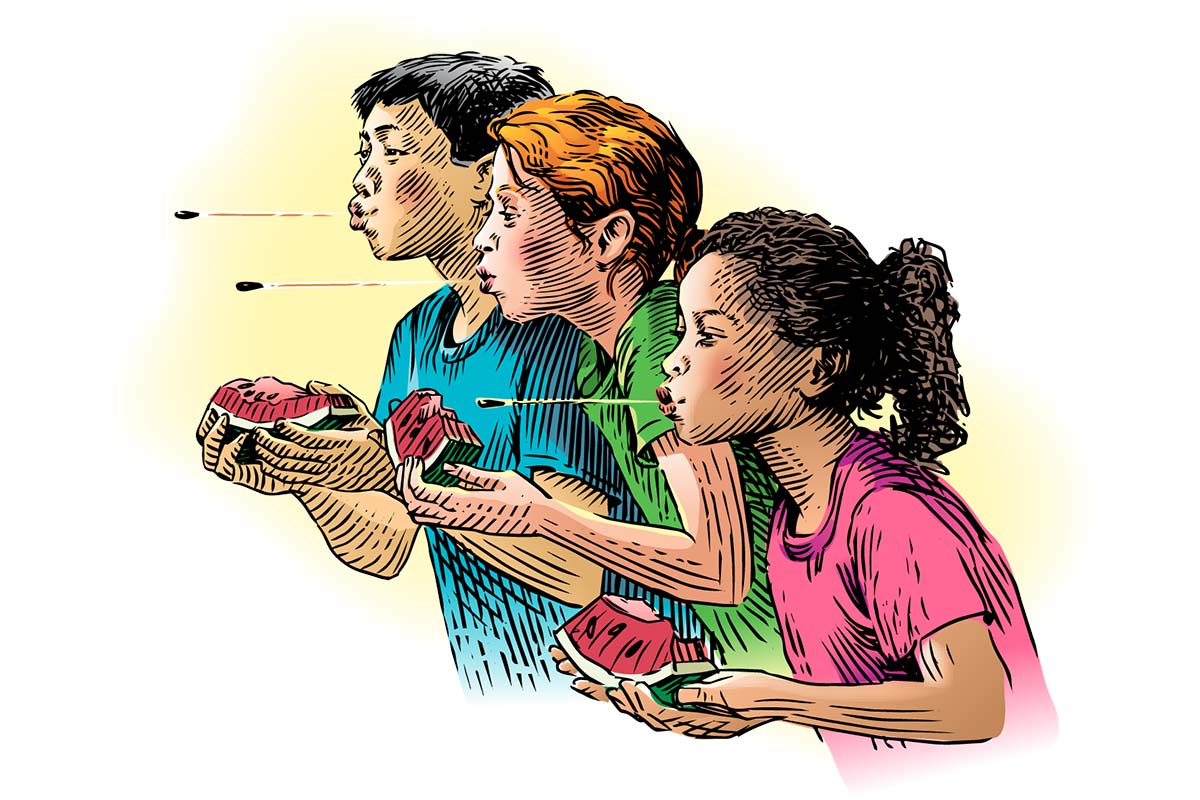
Washer pitching, mutton bustin’ and a full-blown rodeo are part of the action at the Stonewall Peach JAMboree, which also features peach pit spitting and peach eating contests. And at the Luling Watermelon Thump, which dates to 1954, visitors can pucker up for the watermelon seed spitting contest or square off in an (impressively messy) watermelon eating competition. With all that to choose from, I couldn’t resist the idea of spending a fall day in a small town, focusing on something that grows from a microscopic spore into one of nature’s most perfect pizza toppings.
The Texas Mushroom Festival officially began in 2001 under a single tent, with a few vendors, a sole musician and about a dozen fungus-themed T-shirts. This year’s event, set for October 17, is expected to draw between 10,000 and 15,000 visitors and 150 vendors. The day starts with the Shiitake 5K Run and includes such attractions as a quilt show, an automobile showcase, beer and wine tasting, live music, a kids’ zone, silent auction, and mushroom picking contest.
“It just kind of sparked into this monster,” says festival director (and confirmed mushroom lover) Dennum Hudson, who was watching the action at last year’s event from a sidewalk at the edge of the square, where she waxed poetic about edible fungus. “I love mushrooms any way—fried, grilled, sautéed, raw. And we have lots of pickled mushrooms here as well.”
Jim Starr
But mushrooms are an acquired taste for some. A few minutes after arriving at the festival on a muggy October afternoon, I spotted Miss Mushroom, Allie Brewer of Centerville. The 20-year-old pageant winner, wearing a bedazzled silver crown, a rose-colored shirt, gold sandals and a red sash, confessed she doesn’t much like them.
“But I’d be up for trying some of them for sure,” she added quickly. Then she showed me her finds from a few laps through the festival’s mushroom market—a pair of earrings, a shirt and a lavender lemonade snow cone.
Next, I wandered over to the Monterey Mushroom tent, where white, thumb-shaped shrooms sprouted from a mound of soft, dark soil. The farm’s growing manager, Armando Juarez, told me that the company’s local facility, located about 5 miles south of town, grows white, portobello and specialty mushrooms such as shiitake and oyster. It also makes dried mushrooms. In all, the facility produces more than a half-million pounds of the fleshy, spore-bearing fruits of fungus each week.
“They’re extremely healthy,” he told me, noting that mushrooms contain vitamin D and potassium. They’re also low in calories and rich in fiber.
I learned a few other facts about mushrooms at the festival. Besides coming in handy for cooking—and dang, those portobello tacos were tasty—they’re used for medicinal purposes and have been for thousands of years.
At its booth, Viking Farms, based in nearby Normangee, was selling an array of tinctures that purport to ease symptoms of menopause, improve mental clarity and boost recovery from injury. It also was selling a colorful lineup of gourmet mushrooms used for cooking, including pink and blue oysters, black pearl kings, shiitakes, and lion’s manes, which look more like softball-sized pompoms than something you’d toss in a sauté pan.
I also learned that unless you’re making soup or a liquid-based one-pot meal, you don’t have to wash mushrooms. That just makes the caps slimy. Instead, brush off any dirt and wipe them with a damp paper towel.
At another booth I sampled mushroom coffee, which I can only describe as “earthy.” (I’ll stick to hot tea, thanks.) I perused a display of mushroom honey, a rack of mushroom jerky and bottles of mushroom kombucha. One vendor peddled energy shots made with a root-like fungal structure called mycelium, which looks like a wad of unspooled thread.
I chatted with Alisha Gabriel, author of the picture book Fungi Are … More Than Mushrooms, and spent a few minutes listening to singer Wade Phillips belt out a few numbers next to the courthouse steps.
That’s a lot of mushroom madness.
I ended my day at the Texas Mushroom Festival with a full belly and a newfound respect for the funky fungus. Who knew a lowly mushroom could do so many things?
The experience reminded me of the importance of Texas agriculture. Food doesn’t magically appear in the grocery store; it comes from farms. And Texas farmers work hard to bring their crops to market.
Get out and celebrate them. If you’re not into mushrooms, get fired up for Hill Country peaches or East Texas yams. And as a bonus, you’ll get a side of small-town Texas, delivered with pride.
Jim Starr